Buy weblinks.eu ?
We are moving the project
weblinks.eu .
Are you interested in purchasing the domain
weblinks.eu ?
domain@kv-gmbh.de · 0541-91531010
Buy weblinks.eu ?
Could I keep a wheel-web or funnel-web spider in a faunarium?
Yes, you could keep a wheel-web or funnel-web spider in a faunarium. These types of spiders are typically small and do not require a large amount of space to thrive. A faunarium can provide a suitable environment for these spiders, as long as it is properly set up with the necessary substrate, hiding spots, and ventilation. It's important to research the specific needs of the spider species you are considering keeping to ensure that the faunarium meets their requirements for temperature, humidity, and food. **
Is spider web the feces of the spider?
No, spider webs are not the feces of the spider. Spider webs are actually made from silk produced by the spider's spinnerets, which are located at the back of the spider's abdomen. The silk is used by the spider to create webs for catching prey, building nests, or for other purposes. Feces, on the other hand, are waste materials produced by the spider's digestive system and are not used in the construction of webs. **


Similar search terms for AEG-005040-Spider-wheel
Top-Angebote
Products related to AEG-005040-Spider-wheel:
-
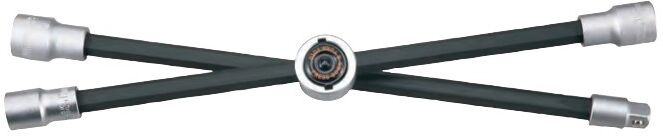
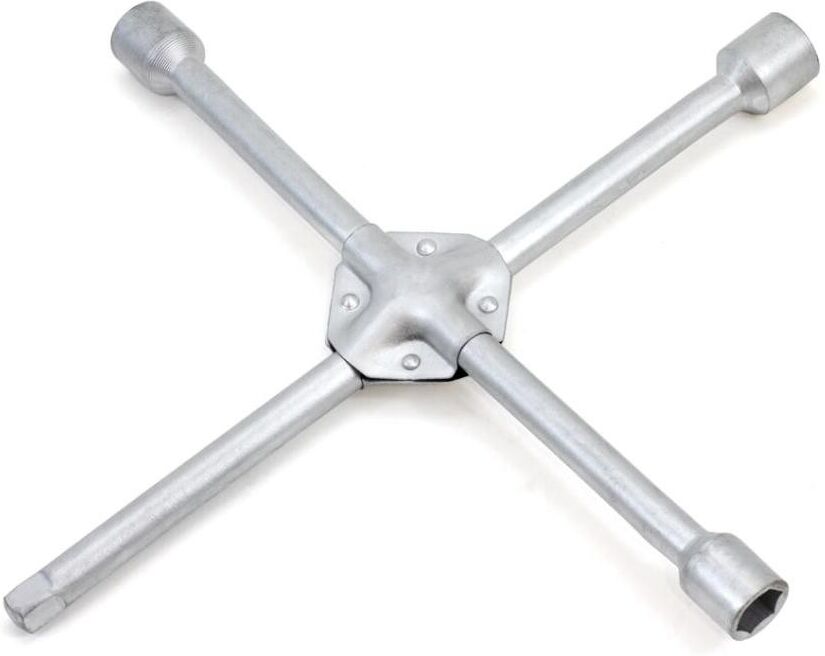
HAZET 720S Spider wheel braceOperating Mode: Manual (hand operated); Net weight [kg]: 5,4; Spanner Size 1 [mm]: 24; Length [mm]: 750; Material: Chrome Vanadium Steel; Surface: Chromed; DIN/ISO: DIN 3119, 3119; Output end (profile): External Hexagon; Weight [g]: 5400; Manufactured in: Germany; Spanner Size: 24, 27, 32; Square Drive Tang Size [mm (inch)]: 10 (3/8)255,99 £*Shipping: 1,99 £Secure redirect to the provider


-
Spider web or mold?
If given the choice between spider web or mold, I would choose spider web. Spider webs are natural creations made by spiders to catch prey, whereas mold is a type of fungus that can be harmful to health if not properly dealt with. Spider webs can also be quite intricate and beautiful to look at, adding a touch of nature to the environment. **
-
How long does a spider need to build its spider web?
The time it takes for a spider to build its web can vary depending on the species of spider and the complexity of the web. Some spiders can construct a web in as little as 30 minutes, while others may take several hours. Factors such as the availability of prey and the environmental conditions can also influence the speed at which a spider builds its web. **
-
Which spider is it, the funnel-web or the cobweb spider?
The funnel-web spider and the cobweb spider are two different species of spiders with distinct characteristics. The funnel-web spider is known for its aggressive behavior and potent venom, which can be dangerous to humans. It builds funnel-shaped webs to catch its prey. On the other hand, the cobweb spider is known for its intricate, messy webs and is not considered dangerous to humans. It catches its prey by building a tangle of silk threads. Therefore, it is important to correctly identify which spider it is, as the funnel-web spider poses a greater threat to humans. **
-
Can tarantulas weave a spider web?
No, tarantulas cannot weave a traditional spider web like other species of spiders. They do not have the ability to produce silk from their spinnerets in the same way that other spiders do. Instead, tarantulas use their silk for lining their burrows, creating egg sacs, and sometimes for making trip wires to detect prey. Their silk is not used for constructing intricate webs for catching prey like other spiders. **
Have you ever cut yourself on a spider thread or spider web?
No, I have never cut myself on a spider thread or spider web. Spider threads are very fine and usually not strong enough to cause any harm. In fact, most spider webs are designed to catch insects, not humans. If I come into contact with a spider web, I usually just brush it off without any issue. **
Is that mold or a spider web?
Without further context or information, it is difficult to determine whether it is mold or a spider web. Mold typically appears as a fuzzy, discolored growth on surfaces, while spider webs are typically thin, delicate, and intricate. If the substance is found in a damp or humid area, it is more likely to be mold. However, if it is found in a corner or high-up area, it may be a spider web. It is best to inspect the area closely and, if unsure, seek the advice of a professional. **
Top-Angebote
Products related to AEG-005040-Spider-wheel:
-
HAZET 705V Spider wheel braceOperating Mode: Manual (hand operated); Spanner Size 1 [mm]: 17; Length [mm]: 380; Material: Tool Steel; Surface: Chromed; DIN/ISO: DIN 3119, ISO 6788; Output end (profile): External Hexagon; Spanner Size: 17, 19, 21; Square Drive Tang Size [mm (inch)]: 12.5 (1/2); Drive [inch]: 1/285,99 £*Shipping: 8,45 £Secure redirect to the provider
-
HAZET 720S Spider wheel braceOperating Mode: Manual (hand operated); Net weight [kg]: 5,4; Spanner Size 1 [mm]: 24; Length [mm]: 750; Material: Chrome Vanadium Steel; Surface: Chromed; DIN/ISO: DIN 3119, 3119; Output end (profile): External Hexagon; Weight [g]: 5400; Manufactured in: Germany; Spanner Size: 24, 27, 32; Square Drive Tang Size [mm (inch)]: 10 (3/8)255,99 £*Shipping: 1,99 £Secure redirect to the provider
-
Could I keep a wheel-web or funnel-web spider in a faunarium?
Yes, you could keep a wheel-web or funnel-web spider in a faunarium. These types of spiders are typically small and do not require a large amount of space to thrive. A faunarium can provide a suitable environment for these spiders, as long as it is properly set up with the necessary substrate, hiding spots, and ventilation. It's important to research the specific needs of the spider species you are considering keeping to ensure that the faunarium meets their requirements for temperature, humidity, and food. **
-
Is spider web the feces of the spider?
No, spider webs are not the feces of the spider. Spider webs are actually made from silk produced by the spider's spinnerets, which are located at the back of the spider's abdomen. The silk is used by the spider to create webs for catching prey, building nests, or for other purposes. Feces, on the other hand, are waste materials produced by the spider's digestive system and are not used in the construction of webs. **
-
Spider web or mold?
If given the choice between spider web or mold, I would choose spider web. Spider webs are natural creations made by spiders to catch prey, whereas mold is a type of fungus that can be harmful to health if not properly dealt with. Spider webs can also be quite intricate and beautiful to look at, adding a touch of nature to the environment. **
-
How long does a spider need to build its spider web?
The time it takes for a spider to build its web can vary depending on the species of spider and the complexity of the web. Some spiders can construct a web in as little as 30 minutes, while others may take several hours. Factors such as the availability of prey and the environmental conditions can also influence the speed at which a spider builds its web. **
Similar search terms for AEG-005040-Spider-wheel
-
Which spider is it, the funnel-web or the cobweb spider?
The funnel-web spider and the cobweb spider are two different species of spiders with distinct characteristics. The funnel-web spider is known for its aggressive behavior and potent venom, which can be dangerous to humans. It builds funnel-shaped webs to catch its prey. On the other hand, the cobweb spider is known for its intricate, messy webs and is not considered dangerous to humans. It catches its prey by building a tangle of silk threads. Therefore, it is important to correctly identify which spider it is, as the funnel-web spider poses a greater threat to humans. **
-
Can tarantulas weave a spider web?
No, tarantulas cannot weave a traditional spider web like other species of spiders. They do not have the ability to produce silk from their spinnerets in the same way that other spiders do. Instead, tarantulas use their silk for lining their burrows, creating egg sacs, and sometimes for making trip wires to detect prey. Their silk is not used for constructing intricate webs for catching prey like other spiders. **
-
Have you ever cut yourself on a spider thread or spider web?
No, I have never cut myself on a spider thread or spider web. Spider threads are very fine and usually not strong enough to cause any harm. In fact, most spider webs are designed to catch insects, not humans. If I come into contact with a spider web, I usually just brush it off without any issue. **
-
Is that mold or a spider web?
Without further context or information, it is difficult to determine whether it is mold or a spider web. Mold typically appears as a fuzzy, discolored growth on surfaces, while spider webs are typically thin, delicate, and intricate. If the substance is found in a damp or humid area, it is more likely to be mold. However, if it is found in a corner or high-up area, it may be a spider web. It is best to inspect the area closely and, if unsure, seek the advice of a professional. **
* All prices are inclusive of VAT and, if applicable, plus shipping costs. The offer information is based on the details provided by the respective shop and is updated through automated processes. Real-time updates do not occur, so deviations can occur in individual cases. ** Note: Parts of this content were created by AI.